
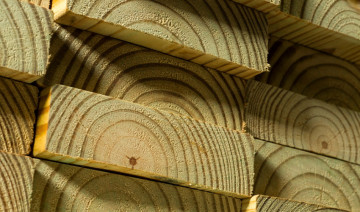
Pressure-treated lumber is one of the most common materials used for outdoor construction projects. From decks and fences to garden structures and framing exposed to moisture, treated lumber provides durability and protection that standard wood cannot offer. However, not all pressure-treated lumber is the same. Understanding the different grades, treatments, and uses can help ensure your project lasts for years to come.
Pressure-treated lumber is wood that has been infused with preservatives under high pressure. This process forces protective chemicals deep into the wood fibers, helping the material resist rot, fungal decay, and insect damage.
Because of its resistance to moisture and pests, pressure-treated lumber is commonly used in outdoor environments where untreated wood would deteriorate quickly.
Typical uses include:
Deck framing and support posts
Fence posts and rails
Outdoor stair structures
Landscaping timbers
Playground equipment
Ground-contact framing applications
While pressure-treated lumber is durable, selecting the right type for the job is essential for long-term performance.
Like standard lumber, pressure-treated boards are graded based on quality and appearance. The grade indicates the number of knots, surface imperfections, and overall structural quality.
Select-grade lumber contains fewer knots and a smoother appearance. It is often used for visible components where aesthetics matter, such as deck railings or exposed trim pieces.
This grade offers a balance between structural strength and appearance. It contains fewer defects than lower grades and is commonly used for framing and structural components.
One of the most widely available grades, #2 lumber is suitable for general construction. It may contain more knots and visual imperfections but still provides strong structural performance.
Utility-grade lumber is typically used for projects where appearance is less important, such as hidden framing, blocking, or temporary construction.
One of the most important factors when selecting treated lumber is the treatment rating, which indicates how resistant the wood is to moisture exposure.
This type of lumber is designed for projects where the wood will be exposed to weather but not constant soil contact. Examples include deck boards, railings, and fence pickets.
Ground-contact lumber contains higher levels of preservatives and is designed for direct contact with soil or areas where moisture exposure is constant.
This type is commonly used for:
Fence posts
Deck support posts
Retaining walls
Structural supports near ground level
Using above-ground lumber where ground-contact material is required can lead to premature failure.
Pressure-treated lumber requires corrosion-resistant fasteners. The preservatives used in treated wood can react with standard steel fasteners, leading to rust and deterioration over time.
To avoid this issue, use:
Hot-dipped galvanized fasteners
Stainless steel hardware
Fasteners specifically rated for treated lumber
Using the proper hardware ensures both safety and longevity.
Newly treated lumber often contains a high level of moisture due to the treatment process. This can cause boards to shrink slightly as they dry.
Before building, allow lumber to acclimate if possible. When installing deck boards or similar materials, leaving small spacing gaps helps account for natural expansion and contraction.
While modern pressure-treated lumber is safe for construction, it should always be handled properly.
Key precautions include:
Wearing gloves when handling lumber
Using eye protection when cutting
Avoiding burning treated wood
Washing hands after working with treated materials
Following these guidelines ensures safe use during construction.
Pressure-treated lumber remains one of the most reliable materials for outdoor construction. By understanding the different grades, treatment levels, and proper installation practices, both contractors and DIY builders can ensure their projects are built to last.
Choosing the right lumber from the start helps prevent structural issues, reduces maintenance, and keeps outdoor structures strong for years to come.
